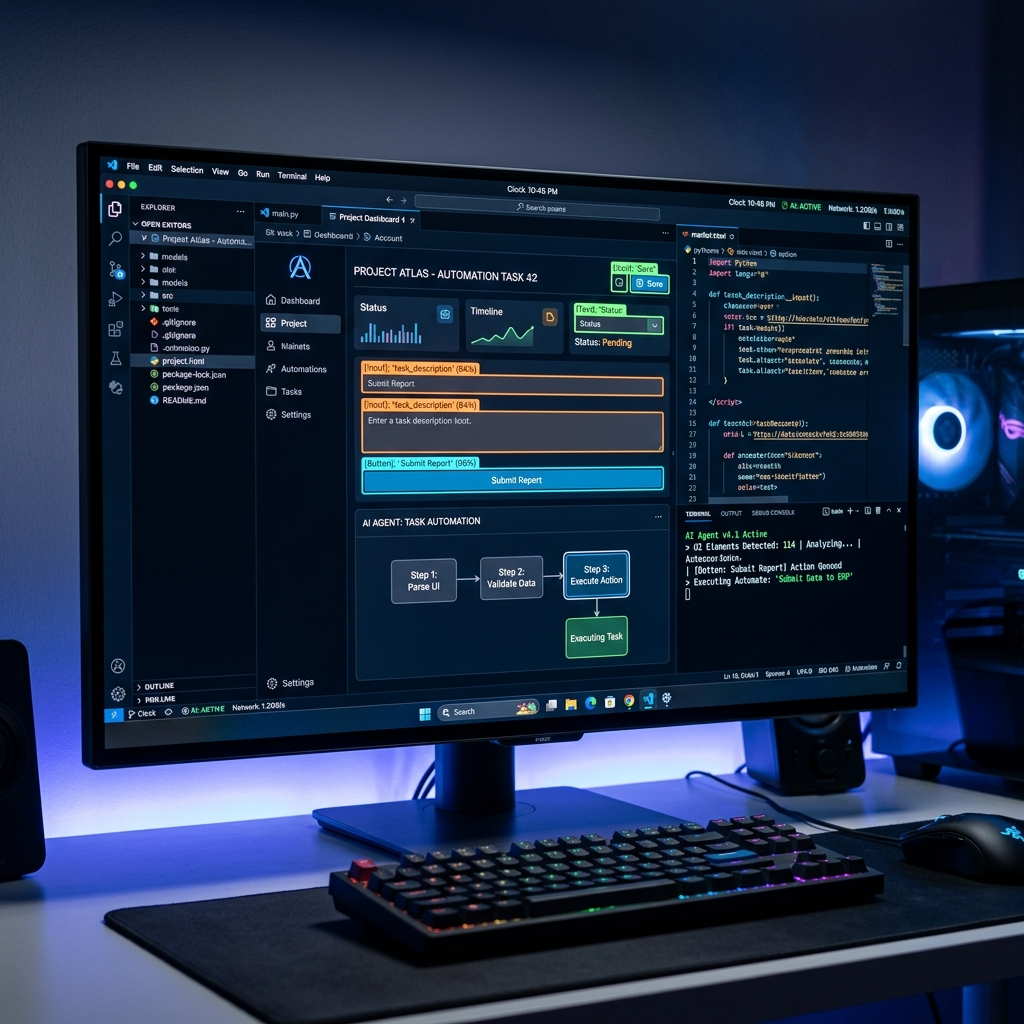
Minimind is revolutionizing the way we approach decision-making through AI. This article delves into its architecture, features, and practical applications.
Hook: Addressing Complex Decision-Making
In today’s fast-paced digital landscape, the ability to make swift and accurate decisions can set organizations apart. Traditional methods often fall short, bogged down by data overload and slow processing. Enter Minimind, an innovative solution designed to leverage artificial intelligence for enhanced decision-making efficiency. This repository on GitHub is not just another tool; it's a paradigm shift in how we can approach complex problems with clarity and precision.
Deep Dive: Architecture and Key Features
Minimind’s architecture is built around a sophisticated neural network model, enabling it to analyze vast datasets and draw insights that would be unfeasible for human analysts. Here’s a closer look at its standout features:
- Modular Design: Minimind is designed with modularity in mind, allowing developers to customize and extend its capabilities based on specific needs.
- Real-time Processing: The system can process information in real-time, making it ideal for applications that require immediate data analysis.
- Integration Ready: Built to seamlessly integrate with existing software systems, Minimind supports various programming languages, making adoption straightforward.
- User-Friendly Interface: Even those who are not tech-savvy can navigate through its intuitive interface, which simplifies complex data interactions.
Comparative Advantage
What makes Minimind stand out from its competitors? Unlike other AI frameworks that may require extensive configuration and understanding, Minimind prioritizes ease of use without sacrificing depth. It bridges the gap between advanced analytics and user accessibility, making it a strong contender in the market.
Real-world Use Cases
So, who exactly should consider using Minimind? Various sectors can benefit immensely:
- Healthcare: Hospitals can use Minimind to analyze patient data and predict treatment outcomes.
- Finance: Financial institutions can leverage its capabilities to assess risk and optimize investment strategies.
- Marketing: Marketers can utilize the tool for customer segmentation and targeted advertising campaigns.
Practical Code Examples
Getting started with Minimind is straightforward. Below are the initial installation commands:
git clone https://github.com/jingyaogong/minimind.git
cd minimind
pip install -r requirements.txt
Once installed, users can initialize the tool with a simple command:
import minimind
model = minimind.initialize_model()
Visual Representation
Understanding the architecture visually enhances comprehension. Here’s an AI-generated illustration of Minimind’s architecture:

Pros & Cons
Like any tool, Minimind has its strengths and weaknesses:
- Pros:
- Highly customizable and modular.
- Real-time data processing capabilities.
- User-friendly interface.
- Cons:
- Requires a certain level of programming knowledge for advanced features.
- Potentially steep learning curve for complete beginners.
FAQ Section
What programming languages does Minimind support?
Minimind primarily supports Python, but its modular architecture allows for integration with other languages as well.
Can Minimind be used for real-time analytics?
Yes, Minimind is designed for real-time data processing, making it suitable for industries that require immediate insights.
Is there support available for Minimind users?
Yes, the Minimind community is active, and users can access documentation and forums for assistance.
Conclusion
Minimind is more than just a repository; it’s a glimpse into the future of AI-driven decision-making. As industries continue to evolve, tools like Minimind will be at the forefront, empowering users to harness data in unprecedented ways. Whether you're a developer, a data scientist, or a business analyst, Minimind is worth exploring for your next project.