Dive into the intricate world of Strapi, the leading headless CMS. Discover its architecture, features, and real-world applications that empower developers.
Understanding the Headless CMS Landscape
In the realm of web development, content management systems (CMS) have evolved dramatically. Traditional CMS platforms often struggle with flexibility, scalability, and the diverse needs of modern applications. Enter Strapi, a headless CMS designed to bridge the gap between developers and content creators. By separating the backend from the frontend, Strapi empowers teams to build robust APIs while offering an intuitive editing experience for content managers.
Strapi's Architecture: A Deep Dive
At its core, Strapi operates through a layered architecture that facilitates efficient request handling. Every incoming request follows this flow: Routes → Middlewares → Controllers → Services. This modular structure allows developers to customize and extend the backend functionalities effortlessly.
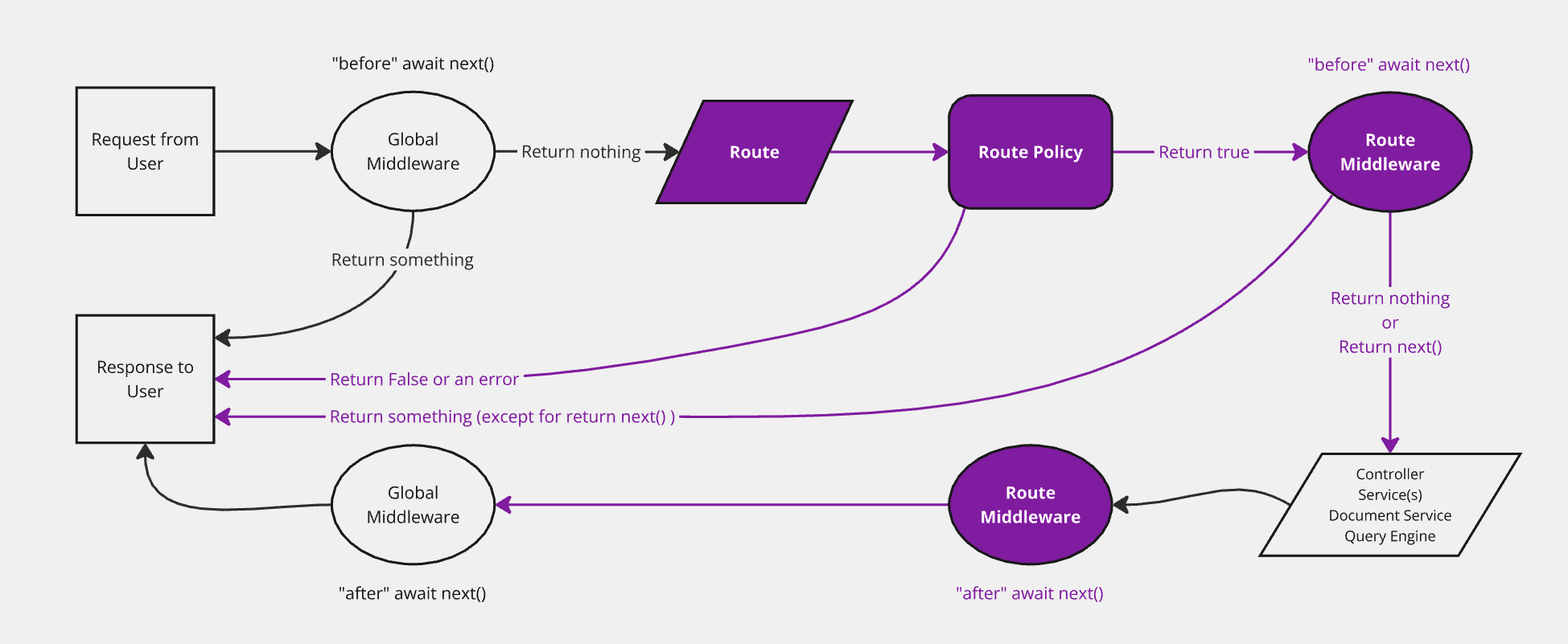
Additionally, Strapi is built entirely on JavaScript and TypeScript. This choice not only enhances performance but also ensures compatibility with a wide array of databases, including SQLite, PostgreSQL, MySQL, and MariaDB. The built-in Content-Type Builder enables developers to define custom content structures visually, eliminating the need for extensive coding.
Key Features That Make Strapi Stand Out
- Auto-generated APIs: Strapi generates both REST and GraphQL APIs for every content type, streamlining the development process.
- Granular Roles & Permissions: Strapi offers a flexible permissions system, allowing fine-tuned access control for different user roles.
- Plugin Ecosystem: The extensible plugin system allows developers to integrate additional functionalities, making it easy to tailor Strapi to specific project needs.
- First-class TypeScript Support: With TypeScript support, developers can leverage static typing for enhanced code quality and maintainability.
- Strapi AI: The built-in AI layer automates content modeling and translations, significantly reducing manual efforts.
Real-world Use Cases
Strapi's versatility makes it suitable for a wide variety of projects:
- Corporate Websites: Businesses can manage their content efficiently and integrate it with various frontend frameworks.
- eCommerce Platforms: Strapi's flexible API allows for seamless integration with payment gateways and product management systems.
- Mobile Applications: Developers can utilize Strapi to create robust backend solutions that cater to different mobile app needs.
- IoT Devices: Strapi's API-first approach can serve data to various IoT devices, ensuring real-time updates and management.
Getting Started with Strapi
To kick off your Strapi journey, installation is straightforward. Use the following command to create a new project:
npx create-strapi@latest my-projectThis command sets up a new Strapi project with default features such as authentication, content management, and file uploads. For more options, refer to the CLI installation docs.
Docker Support
While Strapi does not provide official Docker images, you can build your own. The community tool @strapi-community/dockerize simplifies this process:
npx @strapi-community/dockerize@latestThis command generates a Dockerfile and docker-compose.yml customized for your project.
Pros and Cons of Strapi
Pros
- Open-source and free to use.
- Highly customizable due to its plugin architecture.
- Strong community support and extensive documentation.
- Support for both REST and GraphQL APIs.
Cons
- Learning curve for beginners unfamiliar with headless CMS concepts.
- Community plugins may vary in quality and support.
Frequently Asked Questions
What programming languages does Strapi support?
Strapi is built using JavaScript and TypeScript, making it compatible with a wide range of technologies.
How can I deploy Strapi?
You can deploy Strapi to your own server, use Docker containers, or leverage Strapi Cloud for managed hosting.
Is Strapi suitable for large-scale applications?
Yes, Strapi is designed to scale, making it an excellent choice for large-scale applications with complex content needs.
Conclusion
Strapi emerges as a powerful solution in the headless CMS space. Its flexibility, extensive features, and community support position it as an ideal choice for developers looking to create dynamic web applications. Whether you're building a corporate site, an eCommerce platform, or an IoT solution, Strapi provides the tools necessary to manage content efficiently.